Table of Contents
-
- Introduction
- What Is the SEMrush Keyword Gap Tool?
- Why Keyword Gap Analysis Matters in SEO for Better Rankings
- Top Features of the SEMrush Keyword Gap Tool You Should Know
- How to Use SEMrush Keyword Gap Tool for Competitor Keyword Analysis
- Advantages of Using the Keyword Gap Tool in Digital Marketing
- Keyword Gap Analysis Mistakes That Can Hurt Your SEO Strategy
- Best Practices for Using the SEMrush Keyword Gap Tool Effectively
- Conclusion
Introduction
SEO is highly competitive, and every business wants higher rankings. To be successful, you need to be aware of what your rivals are doing. This is where competitor keyword analysis becomes very important. It helps you understand the keywords that drive traffic to their websites.
SEMrush Keyword Gap Tool is one of the greatest tools for this process. This tool shows you which keywords competitors use that you are missing. You can increase traffic and visibility by addressing this gap.
The Keyword Gap Tool is not just for finding new terms. It also helps you review shared, unique, and untapped keywords. This gives you a complete picture of your market. With this data, you can create a stronger SEO and content strategy.
Tools like the SEMrush Keyword Tool are widely used by companies of all sizes. Without keyword insights, you may miss valuable ranking opportunities. You can stay ahead of the game and make wise decisions by using SEMrush.
What Is the SEMrush Keyword Gap Tool?
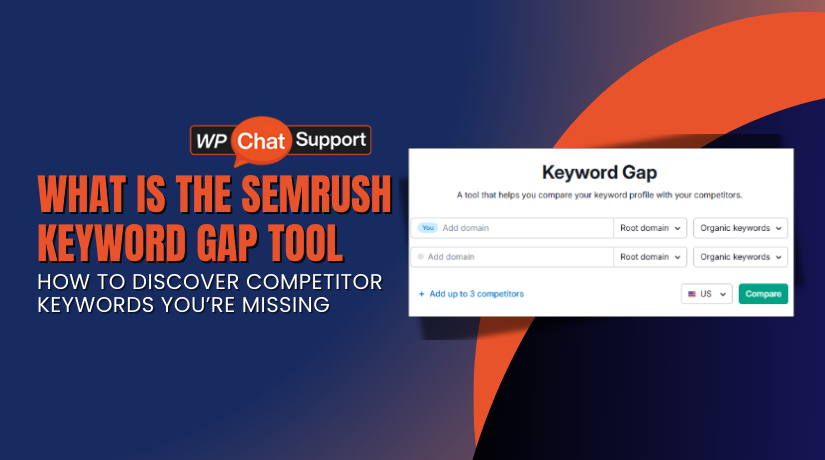
One function of SEMrush is the SEMrush Keyword Gap Tool. This tool is intended to compare your website to those of your rivals. The tool shows you what keywords you share, what keywords are unique to them, and what keywords you are missing.
The approach is called keyword gap analysis, and it is straightforward but effective. It draws attention to places where your website can expand. Competitor keywords can be found and included in your SEO strategy. This approach helps you target relevant traffic and expand your reach.
The tool works for both organic and paid keywords. That means you can track search terms used for SEO or PPC campaigns. For businesses running ads, this is very helpful. You can find competitor keywords in paid search and adjust your budget accordingly.
SEMrush allows you to compare up to five domains at one time. This makes it easy to see how you stand against multiple competitors. You can spot weaknesses, strengths, and untapped areas. All of this data comes in clear, simple reports that can be exported for future planning.
The SEMrush Keyword Tool suite includes many features. But the Keyword Gap Tool is one of the most practical for growth. It gives you direct insights into your rivals’ keyword strategies. With this, you do not guess what to target—you use real data.
Why Keyword Gap Analysis Matters in SEO for Better Rankings
The struggle for search engine visibility in digital marketing is constant. Every company wants to show up on Google’s top page. Without strong keyword planning, your site may lose valuable traffic. This is why Keyword Gap Analysis is essential. It displays your advantages over rivals as well as your shortcomings.
Here are the main reasons why Keyword Gap Analysis matters:
Reveals missed opportunities
The tool highlights keywords your competitors rank for but you do not. These are opportunities you can target to increase traffic.
Helps discover competitor keywords
By running a Competitor Keyword Analysis, you can learn what terms are driving traffic to competitor websites. This gives you actionable insights.
Improves SEO performance
When you find competitor keywords and add them to your strategy, your chances of ranking higher improve.
Supports content planning
Knowing what keywords you lack helps you create blogs, landing pages, or product descriptions around those topics.
Strengthens competitive advantage
Instead of guessing, you use data from the Keyword Gap Tool. This means smarter strategies and better results in less time.
Boosts paid search campaigns
The process also works for paid ads. With the SEMrush Keyword Tool, you can see which paid keywords are driving traffic for competitors. This can help lower costs and improve ad performance.
In short, Keyword Gap Analysis helps you fill content gaps, capture competitor traffic, and strengthen your SEO campaigns. Businesses that use the SEMrush Keyword Gap Tool often report better visibility and improved ROI from both SEO and PPC campaigns.
Top Features of the SEMrush Keyword Gap Tool You Should Know
The SEMrush Keyword Gap Tool includes advanced features that simplify keyword research. These features make it easy to compare websites, analyze competition, and plan strategies. Below are the most important features explained in detail.
Compare Up to Five Competitors at Once
You can analyze your site against five competitor domains simultaneously. This feature gives you a clear picture of where you stand. It also helps you spot strong performers in your industry. Comparing multiple competitors side by side saves time and effort. You don’t need separate reports for each competitor anymore. This feature is especially useful for agencies handling multiple clients.
Detailed Keyword Categories for Clear Insights
Five keyword categories are used by the tool to group results: shared, missing, weak, strong, and untapped. Shared keywords show where you and competitors overlap. Missing keywords highlight terms they rank for but you don’t. Weak keywords show where your rankings are lower than competitors. Strong keywords highlight your competitive advantage. Untapped keywords reveal terms some competitors use, but you missed. These categories provide a structured way to find competitor keywords.
Analyze Organic and Paid Keywords Separately
The tool allows you to choose between organic keywords and paid keywords. Organic keyword analysis is useful for SEO growth. Paid keyword analysis supports advertising campaigns like Google Ads. You can also analyze PLA keywords (product listing ads) for eCommerce businesses. This flexibility helps marketers discover different keyword opportunities. It ensures strategies are not limited to only organic rankings.
Advanced Filtering Options for Targeted Research
Filters make analysis more precise and actionable. You can filter keywords by location, search volume, keyword difficulty, and device type. This ensures results match your business goals and audience. For example, a business in the U.S. can filter results to focus only on U.S. searches. Similarly, you can target desktop or mobile results separately. Advanced filtering makes competitor keyword analysis highly customizable.
Real-Time Keyword Data and Updates
The SEMrush Keyword Tool uses a constantly updated keyword database. This ensures you always access the latest performance data. Keyword rankings change daily due to competition. Having real-time updates is critical for accuracy. Outdated keyword reports often lead to poor SEO planning. The tool’s live data prevents this problem. It provides a reliable base for creating campaigns and content strategies.
Export and Reporting Features
The tool allows exporting keyword reports in multiple formats like Excel or CSV. This makes it easy to share results with your team. Reports can also be integrated into presentations or strategy documents. Exporting helps SEO agencies deliver data-driven reports to clients. It also allows deeper analysis with custom filters outside SEMrush. This feature ensures that insights from the keyword gap analysis are not lost.
Integration with Other SEMrush Tools
The Keyword Gap Tool works seamlessly with other SEMrush tools. You can combine results with the Keyword Magic Tool for deeper research. Integration allows you to build complete SEO campaigns inside SEMrush. Competitor keyword analysis becomes more powerful when used with backlink audits and site audits. This connection saves time and makes SEMrush a one-stop SEO platform.
How to Use SEMrush Keyword Gap Tool for Competitor Keyword Analysis
Even novices will find the SEMrush Keyword Gap Tool easy to use.using on content marketing or paid advertising. Yet, it delivers professional-grade results for marketers and SEO experts. Here is a detailed, step-by-step guide to using it effectively.
Step 1: Enter Your Domain
Start by typing your website URL into the tool. This sets the foundation for comparison. SEMrush will gather all keyword data connected to your site.
Step 2: Add Competitor Domains
Next, enter the domains of up to four competitors. For the best results, choose direct competitors in your industry. For example, if you sell fitness supplements, compare your site with other supplement brands, not general eCommerce websites.
Step 3: Select Keyword Type
The tool allows you to pick from organic keywords, paid keywords, or PLA (product listing ads). Because of this, it is adaptable for companies who prioritise paid advertising or content marketing.
Step 4: Run the Report
Once the inputs are set, click to generate the report. Within seconds, SEMrush will display a complete breakdown of keyword overlaps and differences.
Step 5: Review Keyword Categories
The results are grouped into useful categories
-
-
- Shared keywords: Keywords both you and your competitors rank for.
- Missing keywords: keywords that rival websites rank for but yours does not.
- Weak keywords: Keywords you rank for, but lower than competitors.
- Strong keywords: Keywords you rank higher for than your competitors.
- Untapped keywords: Keywords competitors rank for, but you haven’t targeted yet.
-
Step 6: Analyze and Export
Carefully review missing and untapped keywords. These keywords are opportunities to discover competitor keywords and build new strategies. Export the list and use it for content planning or ad campaigns.
Practical Example
Imagine a local bakery competing against bigger online food brands. By running a keyword gap analysis, the bakery may find competitors ranking for “best vegan cupcakes online.” By adding content around that keyword, the bakery can find competitor keywords it had overlooked and attract more customers.
This structured process makes competitor keyword analysis practical and results-driven. You no longer guess what works. Instead, you build strategies using real, competitor-tested data.
Advantages of Using the Keyword Gap Tool in Digital Marketing
The SEMrush Keyword Gap Tool is not just another research feature. It provides real advantages that can change the way you build your SEO and marketing strategies. Businesses, bloggers, and agencies all benefit from the insights it delivers. Let’s look at these benefits in detail.
Uncover Missed Opportunities
One of the most important benefits is finding missing keywords. These are terms your competitors already rank for, but your website does not. Missing keywords are a goldmine for growth. By adding them into your strategy, you close the gap between your brand and others in your industry.
For example, if a competitor ranks for “affordable online yoga classes,” and your site only ranks for “yoga classes,” you are losing targeted traffic. With the Keyword Gap Tool, you identify such terms quickly. You can then create content or landing pages optimized for them. This simple step helps you discover competitor keywords and attract visitors that were previously unreachable.
Save Time in Research
Manual keyword research is slow and often incomplete. You need to use multiple tools, check endless lists, and manually compare results. This process takes days and often misses important keywords. The SEMrush Keyword Tool solves this problem.
The Keyword Gap Analysis works within seconds. You enter your domain, add competitor domains, and get a detailed keyword breakdown instantly. You no longer waste hours checking spreadsheets. Instead, you get focused, actionable data in minutes.
This saved time allows teams to spend more energy on content creation, campaign design, and strategy development. Time saved is money earned, especially for agencies handling multiple clients.
Improve SEO Strategies
Good SEO is not only about writing content. It is about writing the right content at the right time. The Keyword Gap Tool provides this direction.
By analyzing missing and untapped keywords, you can build content that directly competes with your rivals. For instance, if a competitor ranks for “eco-friendly travel bags,” and you sell travel products but never used that phrase, you now know what to add.
Targeting such find competitor keywords helps boost organic traffic. Over time, your site covers a wider range of search queries. This builds authority in your niche and improves rankings across multiple keywords.
Strengthen Paid Campaigns
Paid search campaigns can drain budgets if not planned well. Marketers often spend money on broad or irrelevant keywords. The SEMrush Keyword Gap Tool helps refine this process.
When you run competitor analysis, you also see the paid keywords competitors target. For others in your market, these keywords already produce results. You can enhance your ad targeting by including them into your campaigns.
This guarantees that all advertising dollars are allocated to keywords that have been shown to be effective. Consequently, your efforts get improved conversions and increased click-through rates.
Gain Competitive Advantage
Because markets are competitive, every company is vying for customers’ attention. If you don’t have the proper tools, you could lag behind. Using the Keyword Gap Tool gives you a distinct edge over your competitors.
By running regular reports, you can spot keyword trends before others act on them. For example, if you notice competitors ranking for a rising keyword like “AI-powered content tools,” you can create content around it before the keyword becomes crowded.
Staying updated ensures you are always one step ahead. This ability to move faster than competitors is what creates long-term success in SEO.
Improve Content Planning
Writers and marketers often struggle to choose topics that rank. Random topics may not bring results. With the Keyword Gap Analysis, planning becomes simple.
You see the exact discover competitor keywords that drive traffic to rival sites. Then, you create blogs, landing pages, or guides around those topics. This makes your content more relevant to readers and search engines.
For example, if your competitor ranks for “best camping gear for beginners,” you can create a detailed buying guide targeting the same phrase. You have a good probability of outranking them if you offer more value.
Support Long-Term Growth
The SEMrush Keyword Gap Tool is not only useful once. It supports continuous growth. Running reports regularly ensures you keep finding new keywords. Search trends change, and new terms appear every month.
By using the tool frequently, you keep your strategy updated. This helps your site grow traffic steadily instead of depending on a few keywords. Over time, your site builds a strong keyword profile that competitors cannot easily match.
Data-Driven Decisions
Modern SEO requires facts, not guesses. The Keyword Gap Tool provides clear, reliable data. This means your strategies are based on evidence, not assumptions.
Every report shows which keywords to target, which to avoid, and which to prioritize. This prevents wasted effort on low-value terms. Instead, you invest energy in proven keywords with real potential.
Data-driven strategies always perform better. They help businesses grow consistently, while guesswork often fails.
Keyword Gap Analysis Mistakes That Can Hurt Your SEO Strategy
Many users make errors when using the Keyword Gap Tool. These mistakes limit the real value of keyword gap analysis. Avoiding them will help you gain stronger results.
Relying only on high-volume keywords
High-volume keywords attract traffic but also strong competition. Many marketers chase only these terms. This makes ranking harder and slower. A better approach is mixing high-volume with long-tail keywords. Long-tail terms bring qualified traffic with less competition.
Ignoring long-tail keyword opportunities
Long-tail keywords often reveal real buyer intent. Skipping these means missing sales-ready traffic. The SEMrush Keyword Gap Tool shows long-tail gaps you should target. These keywords might have lower search volume but higher conversion value.
Comparing with wrong competitors
Some users compare their websites with unrelated businesses. This skews the data and misleads strategies. Always select direct competitors in your niche. The SEMrush Keyword Tool allows adding up to five relevant competitors. Use this wisely to find the right keyword gaps.
Not updating keyword research regularly
Search trends change quickly. A keyword that works today may drop tomorrow. If you run analysis once, you miss these shifts. Experts suggest running competitor keyword analysis at least monthly. This ensures your strategy always stays current and aligned.
Overlooking search intent
Keyword rankings alone do not guarantee success. Search intent decides user behavior. Ignoring intent leads to irrelevant traffic. The Keyword Gap Tool helps you match missing keywords with proper intent. Always ask: does this keyword fit my audience’s needs?
Best Practices for Using the SEMrush Keyword Gap Tool Effectively
To maximize results, follow these proven best practices. They make your competitor keyword analysis stronger and your SEO more effective.
Compare with at least three competitors
One comparison is not enough. More competitors reveal more keyword gaps. The SEMrush Keyword Gap Tool allows up to five domains. This gives a complete view of shared and missing keywords.
Run reports regularly
SEO is dynamic. Competitors update strategies often. Running reports once is not enough. Experts recommend weekly or monthly checks. This ensures you discover competitor keywords before they gain an advantage.
Combine with other SEMrush tools
The SEMrush Keyword Tool suite offers multiple resources. Use Keyword Magic Tool for keyword research. Pair it with the Keyword Gap Tool for deeper insights. This combination strengthens both organic and paid strategies.
Focus on search intent, not just rankings
Not all keywords bring valuable traffic. Focus on keywords matching intent. Intent can be informational, navigational, or transactional. Matching your content with intent boosts engagement and conversions.
Apply findings across SEO and paid campaigns
Keyword insights are not just for SEO. Use them in PPC campaigns too. Find competitor keywords they target in ads. Add missing but valuable terms to your campaigns. This maximizes visibility across search engines.
Conclusion
The SEMrush Keyword Gap Tool is one of the most valuable resources for digital marketers today.By comparing your website to those of several competitors, you can quickly find out which keyword opportunities you are overlooking. By focusing on keyword gap analysis, you get access to real insights that reveal untapped areas of growth. These gaps often highlight profitable opportunities that your competitors already target but you have not yet explored.
The Keyword Gap Tool helps you better understand your target audience. You can view shared keywords, missing keywords, and even untapped ones. This information helps you build stronger campaigns and smarter strategies. With it, you can find competitor keywords that bring traffic, engagement, and higher conversions. Unlike generic research, competitor-focused insights ensure you are always one step ahead.
A key benefit of the SEMrush Keyword Tool suite is flexibility. You can choose to analyze organic, paid, or PLA keywords. This means you not only strengthen SEO campaigns but also improve paid ads. Imagine running ads using keywords your competitors already succeed with. This reduces trial and error, saving both time and resources.
However, using this tool is not just about data collection. Success comes from applying insights consistently. Businesses that regularly run competitor keyword analysis are more adaptive to changes. Search trends shift fast, and failing to update strategies can reduce visibility. By running reports often, you ensure that your site always ranks for relevant and high-value terms.
The real strength of the SEMrush Keyword Gap Tool lies in execution.Keep in mind recommended practices, steer clear of typical blunders, and apply results to all efforts. When you discover competitor keywords and act quickly, your website gains a real competitive edge.
Start your first keyword gap analysis today. With SEMrush, you can unlock hidden opportunities, improve visibility, and strengthen both organic and paid growth strategies.

James is an experienced WordPress and WooCommerce specialist with over 10 years of practical experience. At WPChatSupport, he creates clear guides that help website owners fix WordPress issues, improve speed, secure their sites, and manage WooCommerce stores with confidence. His expertise includes store setup, plugin configuration, theme customization, payment gateway integration, and website troubleshooting. Through simple and helpful content, James supports users in solving technical problems and following best practices for online business growth.